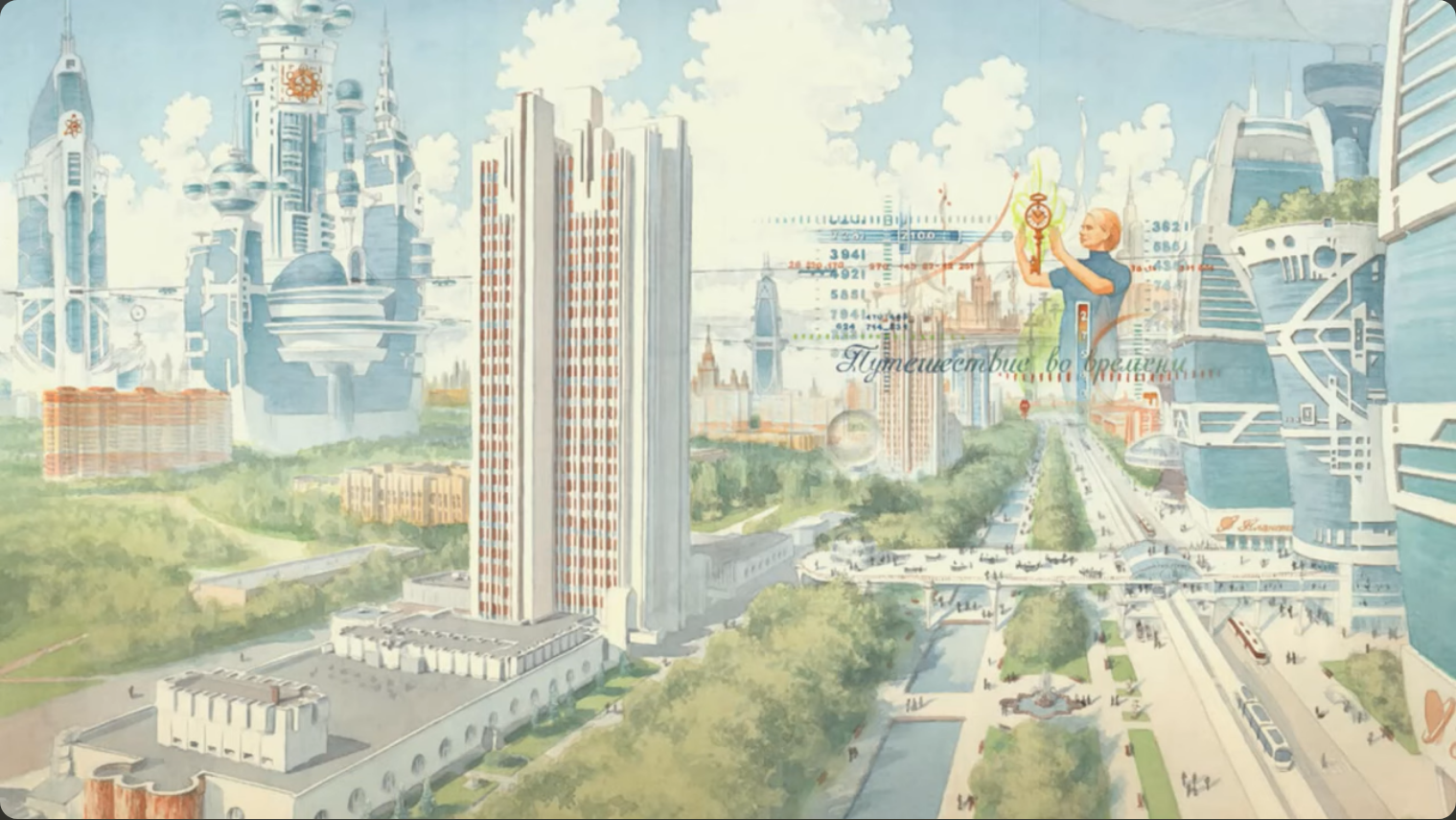
The 19th and 20th centuries brought forth visions of a humanitarian utopia. Edison commercialized his electric lights in the 1870s. Jules Verne released 20,000 Leagues Under the Sea in 1869 and in 1895 H. G. Wells released The Time Machine. In 1903 Henry Ford released the model A, a precursor to the famous Model T. That very same year, the Wright Brother’s took the first manned aerial flight in their homemade aircraft. In the span of 100 years between 1900 and 2000 humanity developed air conditioning (1902), neon lights (1902), vinyl records (1948), television (1925), home refrigeration (1913) and the first manned spacecraft (1957).
Our discoveries of the surface of the moon, innovations and health, science and computing paved the way for a better world. After the end of WW2 there appears decades of hopeful prosperity. There were still conflicts in the world, there always are, but it seemed technology could do nothing but make the world a better place.
A growing trend among people around the world is a return to technology of a bygone era. For some that’s the 60’s and 70’s. Pastel green walls, drive-ins and diners, neon lights. For other’s a return to the 80s or 90s comes to mind. Lines of green computer code, cubicles and software.
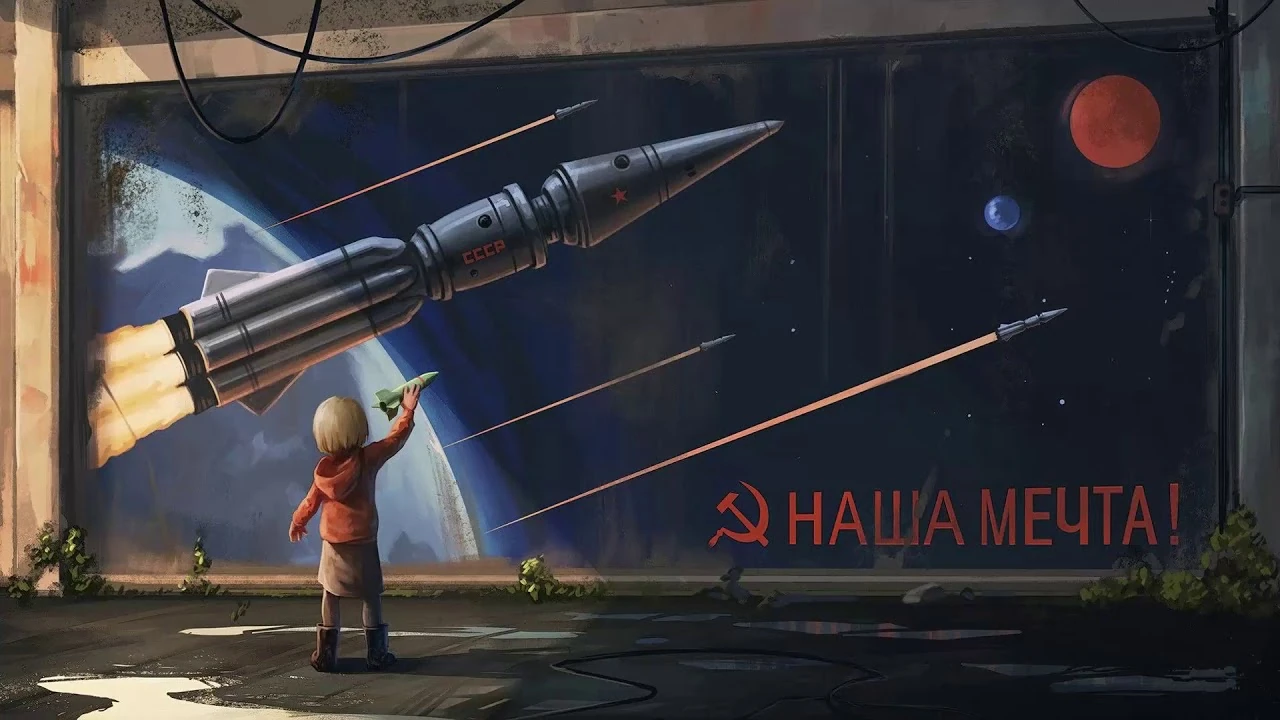
Sovietwave lies somewhere within this realm. A musical subgenre of synthwave, Sovietwave is often filled with sounds of melancholy, hope and happiness. Not bombastic, not splattered with neon paint. On the contrary, we find a world where nature, technology and humanity live together in harmony. Inspired by the Socialist movements of Soviet Russia, Sovietwave is a glimpse of an alternate reality, what if things had gone differently? It is a vision of what we wanted, not what we got.
Citations
- Isaacson, W. (2006) Benjamin Franklin: An american life. New York etc.: Simon and Schuster.
- Brown, M. and Sussex, L. (2025) Outrageous fortunes: The adventures of Mary Fortune, crime-writer, and her criminal son. Collingwood, VIC: La Trobe University Press in conjunction with Black Inc.